


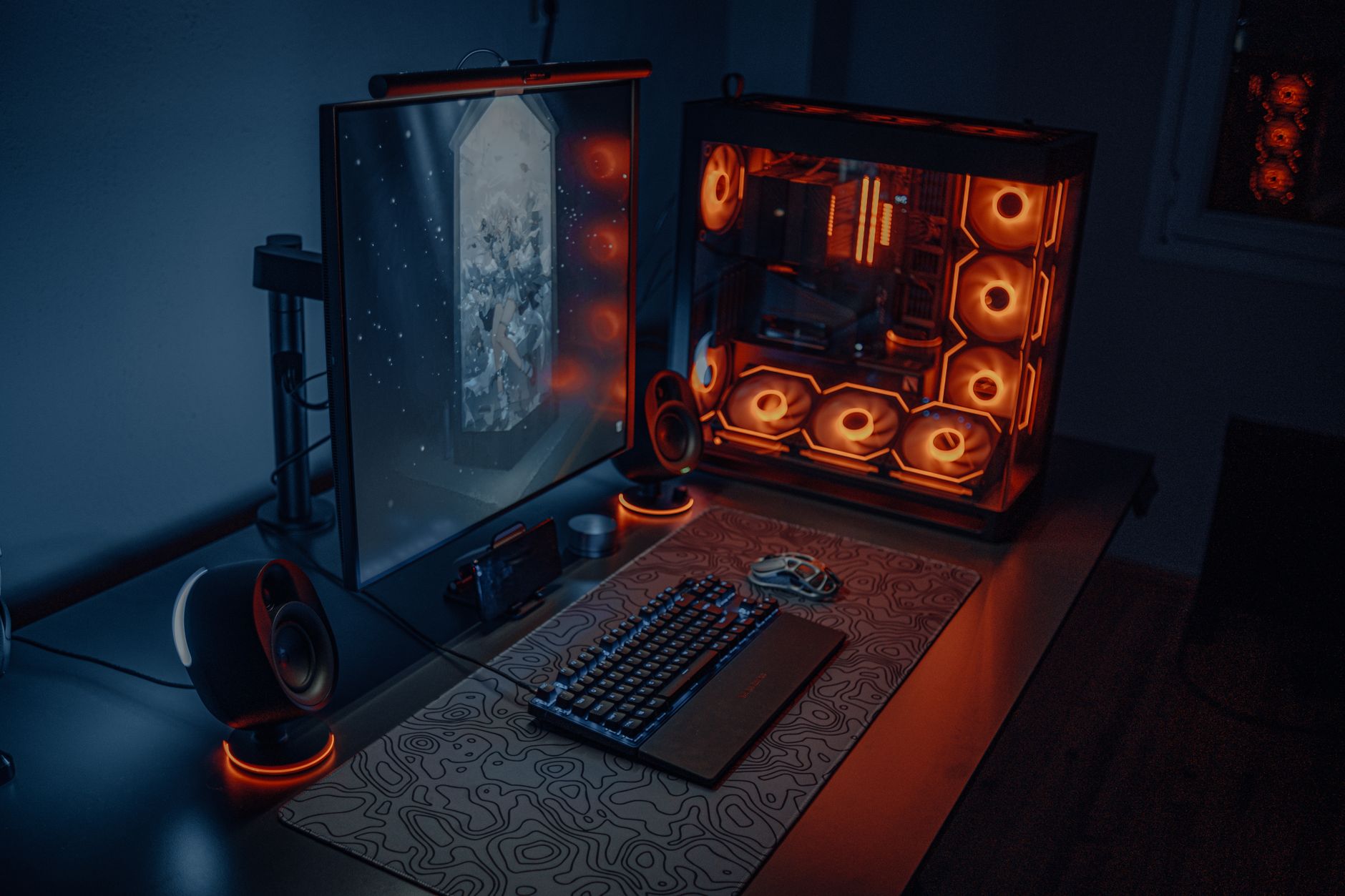
Competitive play rewards hardware that reacts as fast as the player behind it. Gaming keyboards and mice sit at the center of that setup, turning a quick hand motion into on-screen action with as little delay as possible. Logitech builds across both categories, pairing mechanical switch technology with wireless systems designed for low latency. The lineup spans everything from analog-capable boards to lightweight wireless mice built for fast tracking.
Mechanical Gaming Keyboards: The G512 X 75 and Dual Swap Switch Technology
Mechanical keyboards remain the preferred choice for players who want tactile feedback on every keystroke. The G512 X 75 from Logitech uses 39 Dual Swap switch beds built with Tunnel Magnetoresistance sensors. That design lets a single switch bed accept either analog TMR switches or standard 3/5-pin mechanical switches. As a result, the same board can be reconfigured for different play styles instead of locking a player into one feel permanently.
The G512 X 75 also runs a true 8K polling rate, bringing response times down to around 0.125ms. For fast-paced shooters or rhythm-heavy titles, that kind of input speed can matter as much as raw switch feel. A larger 98-key version of the same board is also available for players who want a fuller layout without losing the Dual Swap system.
Wireless Gaming Mice: Precision and Responsiveness in the Logitech Range
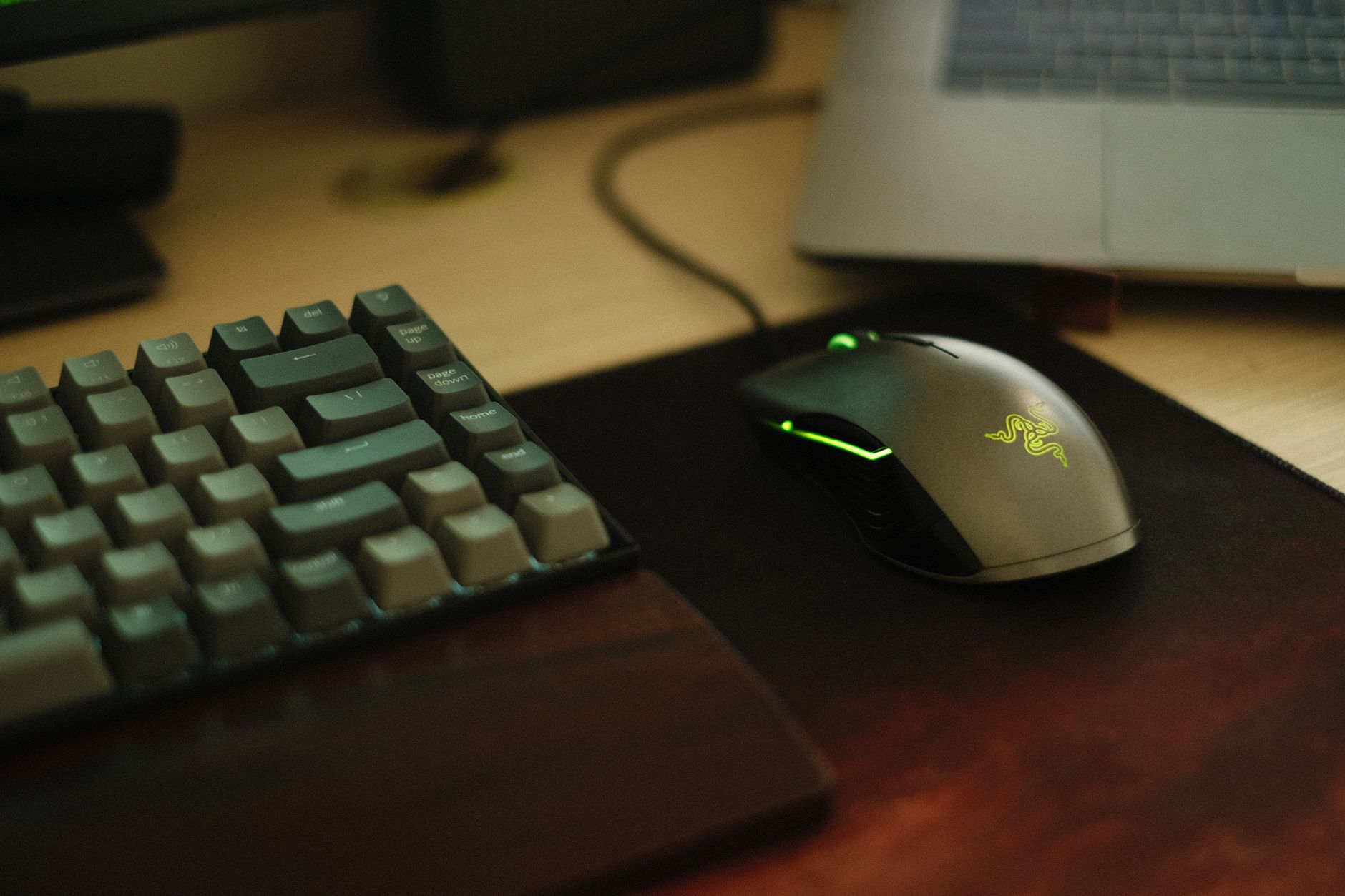
Wireless mice once carried a reputation for lag, but that gap has narrowed across the category. Logitech addresses this through its LIGHTSPEED wireless protocol, built to cut the latency that once made wired mice the default for ranked play. The result is a mouse that moves freely across a desk without a noticeable delay between hand and cursor.
Precision in gaming keyboards and mice depends on consistent tracking and dependable actuation, not just the numbers printed on a box. A mouse that holds its line during a fast flick shot matters as much as any headline spec. This is where wireless systems built specifically for competitive conditions separate themselves from general-purpose peripherals.
MX Series Peripherals: Premium Productivity Meets Gaming Performance
Not every Logitech peripheral is built purely around competitive gaming, and the MX series shows that clearly. The MX Master line and the MX Keypad are positioned around desk-based productivity, offering refined input devices for work environments rather than esports arenas. Bundles that pair the MX Master with other workspace products show how the line complements a broader desk setup.
Even so, there is crossover appeal for anyone splitting time between work and play on the same machine. A mouse engineered for all-day precision at a desk can translate reasonably well into general gaming use, even without being purpose-built for ranked matches. That dual relevance is part of why MX devices get mentioned alongside dedicated gaming hardware.
RGB Backlighting and Programmable Keys Across Logitech Gaming Hardware

Lighting and customization go beyond looks for many players, serving as visual cues for macros, profiles, or active modes. The G915 X LIGHTSPEED keyboard includes LIGHTSYNC RGB lighting alongside a KEYCONTROL system, giving a way to tailor the board’s behavior and appearance together. Double-shot PBT keycaps on that same model are built to hold up against the wear that comes from long typing and gaming sessions.
Programmable function extends past lighting into how individual keys and buttons behave. Being able to remap inputs or assign custom actions is a recurring feature across higher-end gaming keyboards and mice, giving players room to adjust hardware to personal habits.
Connectivity Options: LIGHTSPEED Wireless, Bluetooth, and USB Receiver Technology
Connectivity often decides whether a setup feels casual or competitive. The G915 X LIGHTSPEED keyboard supports tri-mode connectivity, spanning a dedicated wireless receiver, Bluetooth, and a wired USB connection depending on preference. That range of options lets a single keyboard move between a gaming rig and a laptop without needing separate hardware for each.
For players who prefer no cables at all, a wireless receiver paired with a low-latency protocol offers a practical middle ground. Bluetooth remains useful for switching between multiple devices quickly, even if it is not always the first choice for competitive timing. Having all three options available on one device removes the need to settle on a single connection method permanently.
Ergonomic Design and Comfort Features in Extended Gaming Sessions
Long sessions in front of a screen put real strain on wrists and hands, which is why physical design matters as much as internal components. The broader Logitech catalog includes ergonomic-focused devices like the MX Vertical, built around reducing strain during extended use. While that model sits more in the productivity space, similar design thinking shows up in gaming peripherals through details like low-profile key height and palm rest accessories sold alongside boards such as the G512 X.
A palm rest, for instance, is sold separately for the G512 X line, allowing added wrist support without forcing it into the base package. Low-profile switches on the G915 X also reduce the distance fingers travel with each keystroke, which can ease fatigue across longer stretches of play.
- The G512 X 75 keyboard uses 39 Dual Swap switch beds compatible with both TMR analog and standard 3/5-pin mechanical switches.
- The G512 X 75 supports a true 8K polling rate with response times down to around 0.125ms.
- The G915 X LIGHTSPEED keyboard offers tri-mode connectivity spanning LIGHTSPEED wireless, Bluetooth, and wired USB.
- The G915 X LIGHTSPEED includes customizable LIGHTSYNC RGB lighting and a KEYCONTROL system for key programming.
- Double-shot PBT keycaps are used on the G915 X LIGHTSPEED for long-term durability.
- A dedicated palm rest accessory is sold separately for the G512 X keyboard series.
Across keyboards and mice alike, the throughline is consistency between fast reaction demands and daily comfort. The range shows switch technology, wireless protocols, and ergonomic details treated as connected parts of the same design goal, rather than separate afterthoughts bolted onto a single line.
Wireless speed and physical comfort end up paired together across this lineup, rather than treated as competing priorities.