


Picking the right equipment among the many fishing rod types available can shape an entire day on the water. basspro carries a wide range of rods built for different species, techniques, and water conditions, from calm farm ponds to open saltwater flats. Construction, power, and length work together to define what a rod does, and comparing fishing rod types side by side makes the differences easier to see.
Understanding Fishing Rod Construction and Materials
Rod construction starts with the blank, the long tapered tube that gives a rod its backbone. Graphite blanks tend to be lighter and transmit more feel, while fiberglass blanks flex more and hold up under repeated stress. Many rods sold through basspro blend both materials to balance sensitivity with durability.
Guides, reel seats, and handle materials also factor into how a rod performs and feels in hand. Cork handles offer a traditional grip and warmth, while EVA foam handles resist wear in wet conditions. Together, these components determine how a rod handles a bite and how long it holds up under regular use.
Spinning Rods vs. Casting Rods: Key Differences

Spinning rods pair with spinning reels mounted below the rod, which makes them a common choice for anglers who want simpler handling. They work well with lighter lines and lures, and they forgive the occasional backlash. basspro stocks spinning rods across several lengths and actions suited to everything from panfish to walleye.
Casting rods, by contrast, pair with baitcasting reels mounted on top of the rod. This setup allows for more precise casting and better control with heavier lures, which many bass and pike anglers prefer. Baitcasting systems take more practice to master, so casting rods often suit anglers already comfortable with line control.
Ultralight and Lightweight Rod Options for Finesse Fishing
Ultralight and lightweight rods are built for finesse presentations and smaller species. These rods flex easily, which helps detect subtle bites from panfish, trout, and other light-biting fish. Among the fishing rod types stocked at basspro, ultralight spinning rods are designed to pair with small lures and thin lines for exactly this kind of fishing.
Because these rods bend deeply under pressure, they also add sport to catching smaller fish that might otherwise feel unremarkable on heavier gear. That extra bend is part of why finesse anglers seek out lighter power ratings. Line weight and rod power need to stay in balance for this style of fishing to work as intended.
Medium and Medium-Heavy Rods for Versatile Freshwater Applications
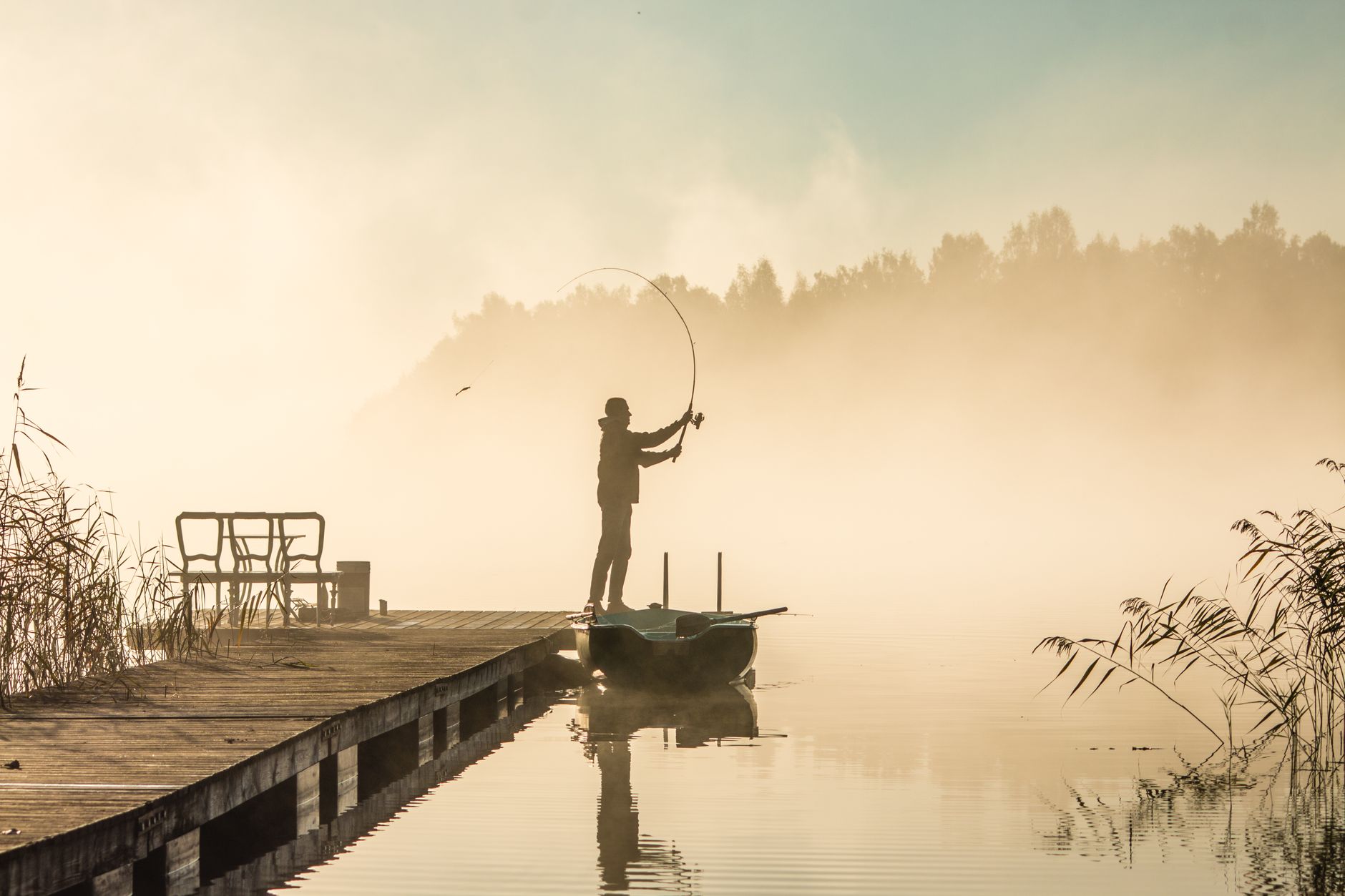
Medium and medium-heavy rods sit in the middle of the power spectrum and handle a wide range of freshwater situations. These ratings work for largemouth bass, smallmouth bass, walleye, and similar species that require a balance of sensitivity and backbone. The medium and medium-heavy selection at basspro spans spinning and casting configurations, reflecting how often anglers reach for this middle ground.
A single medium-heavy rod can handle crankbaits, jigs, and soft plastics without needing a rod swap. That flexibility is part of why this power range remains common across rod categories generally. For outings that mix multiple techniques, this middle ground often reduces the need to carry several rods.
Heavy and Extra-Heavy Rods for Saltwater and Large Game Fish
Heavy and extra-heavy rods are built to handle larger fish and tougher conditions, including saltwater species and heavy cover freshwater fishing. These rods carry thicker blanks and reinforced guides to stand up to larger fish and stronger runs. Saltwater-rated rods in this category target species such as redfish, snook, and larger inshore game fish.
Because these rods are stiffer, they provide the leverage needed to move fish out of heavy structure or strong current. That stiffness also plays a role when working with heavier lures and thicker lines. The result is a rod category built around control and durability rather than finesse.
Matching Rod Length and Action to Fishing Environments
Rod length and action influence casting distance, lure control, and hook-setting speed. Shorter rods generally allow tighter casting accuracy in confined spaces, such as docks or brush piles, while longer rods help achieve distance on open water. Action describes how much of the rod flexes, ranging from fast action that bends mainly near the tip to slow action that flexes through much of the blank.
This structure makes it easier to see how different fishing rod types correspond to different environments, whether that means fishing from a kayak, a bank, or a boat deck. Environmental conditions, including wind, cover, and target species, all play into how these specifications come together. Detailed specifications for each rod, including power, action, and recommended line and lure ranges, allow direct comparison rather than relying on general descriptions.
- Ultralight rods suit small panfish and light finesse presentations using thin line and tiny lures.
- Light power rods extend that same finesse approach to slightly larger trout and crappie.
- Medium power rods handle a broad range of lures and are commonly matched to bass and walleye fishing.
- Medium-heavy rods add backbone for fishing around cover without sacrificing much casting feel.
- Heavy power rods are built for flipping, pitching, and horsing larger fish from heavy structure.
- Extra-heavy rods are designed for saltwater species and other large, hard-fighting fish that require maximum lifting power.
Having spinning and casting options within each power rating at basspro means a technique preference does not have to limit species choice. Rod selection ultimately comes down to matching power, action, and length to the water and species in question.
Comparing fishing rod types this way turns a crowded rod wall into a clearer set of choices.