


Footwear built around natural foot movement has grown from a niche interest into a recognisable category of its own. Barefoot shoes strip away padding and structure that conventional shoes rely on, aiming to let feet move as they would with no shoe at all. Vivobarefoot Ltd has positioned itself at the centre of this category, building a range that spans everyday wear, work settings, and outdoor expeditions.
What Are Shoes and How Do They Differ from Conventional Footwear
Conventional shoes usually include a raised heel, a narrow toe box, and a stiff, cushioned sole. Barefoot shoes remove most of that structure. The goal is a sole thin enough to transmit ground feel and a shape wide enough to let toes spread naturally.
That difference shows up most in the sole and the shape of the shoe. Instead of thick cushioning, minimalist footwear favours thin, flexible material close to the ground. As a result, the foot does more of the work that a padded midsole would otherwise absorb.
The Core Design Philosophy Behind Minimalist Footwear
Minimalist footwear design starts from a simple premise. A shoe should interfere with the foot as little as possible. That means no elevated heel, no narrow forefoot, and no rigid sole blocking natural flex.
This philosophy shapes everything from stitching to lacing. For example, a flexible upper allows the foot to bend and twist the way it would unshod. In addition, a wide forefoot shape avoids squeezing the toes into an unnatural point.
Vivobarefoot’s Wide, Thin, and Flexible Design Approach
Vivobarefoot Ltd describes its shoes with three specific words: wide, thin, and flexible. The stated intent is to get as close to barefoot as possible while still offering a shoe. According to the brand, this approach is meant to support the foot’s natural strength and movement rather than override it.
These three qualities work together rather than separately. A wide shoe without a thin sole would still block ground feel, and a thin sole without flexibility would still restrict the joints of the foot. Vivobarefoot Ltd applies this combination across its mens, womens, and kids ranges.
The Tracker Boot Line: Outdoor Adventure and Expedition-Grade Barefoot Footwear
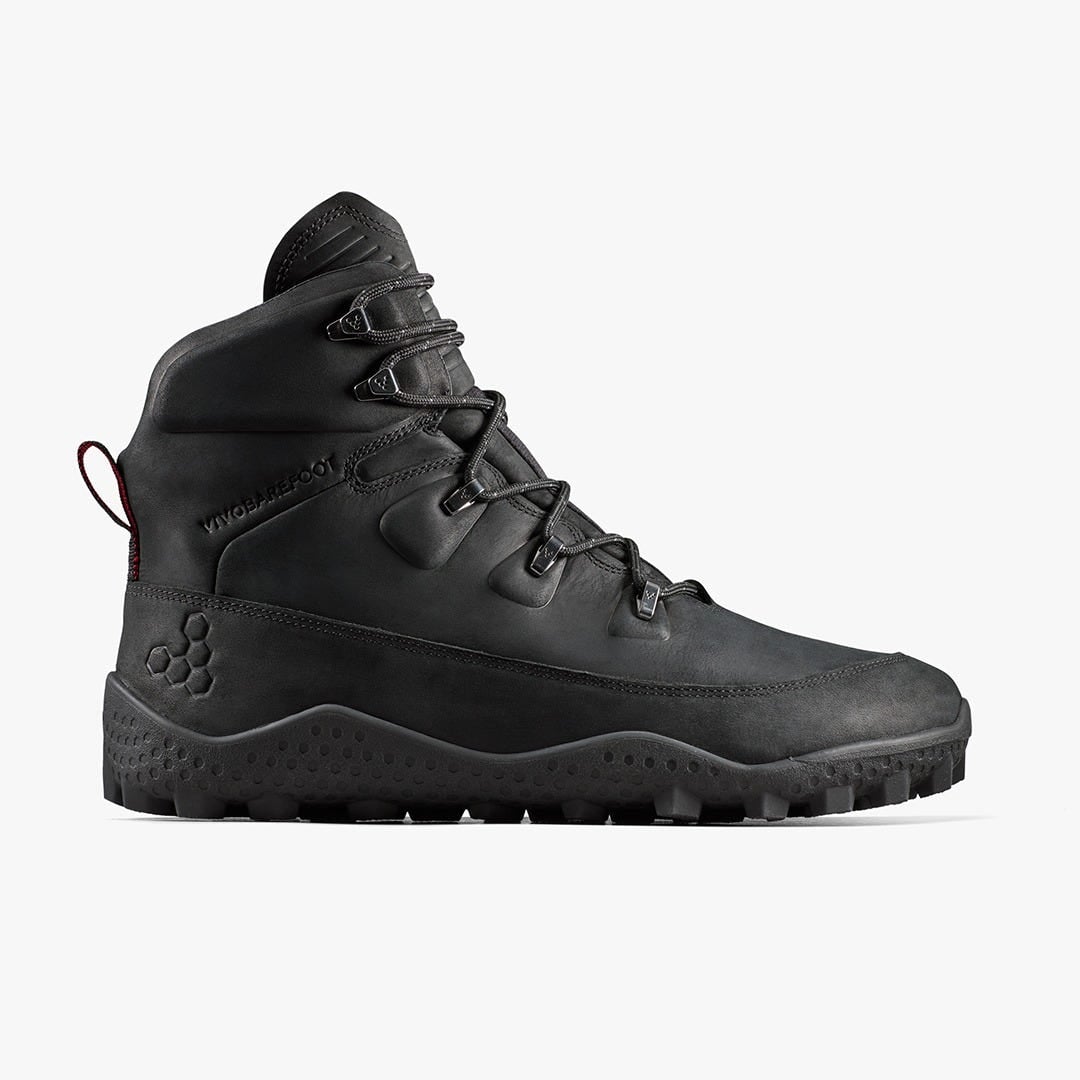
The Tracker line from Vivobarefoot Ltd is positioned for outdoor lifestyle, hiking, expedition, and adventure travel use. The Tracker Pioneer Boot Waterproof is described as offering waterproofing and insulation without added bulk, available in both mens and womens versions.
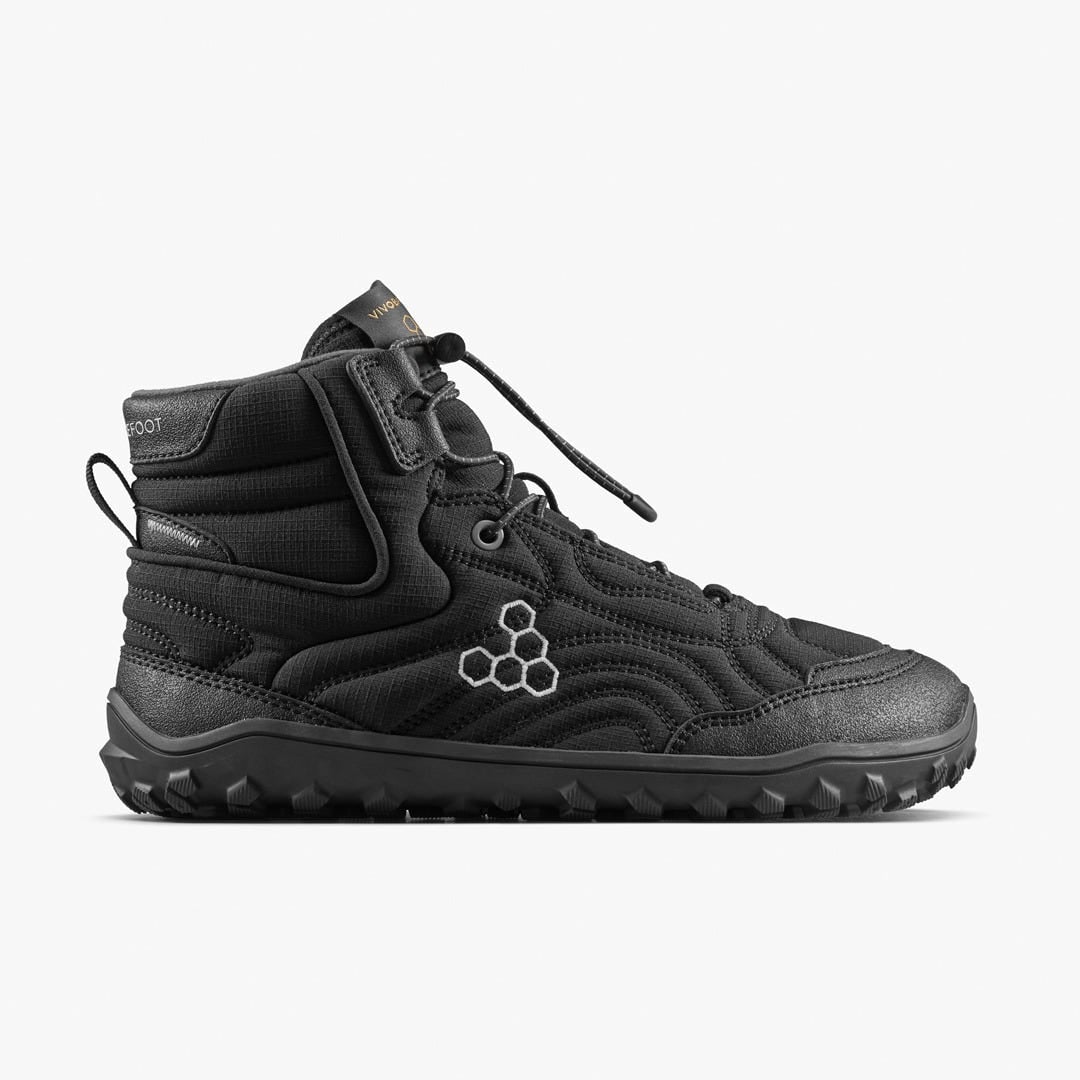
Alongside it sits the Tracker Tova Mid, described as a boot for protection and connection wherever it goes, suited to outdoor lifestyle and hiking. The Tracker Winter III SG rounds out the mens range as a winter hiking boot aimed at keeping the wearer connected to the ground even in colder conditions. The line is marketed as expedition-grade, engineered for wild adventures.
The Gobi Boot: Everyday and Work Applications for Natural Movement
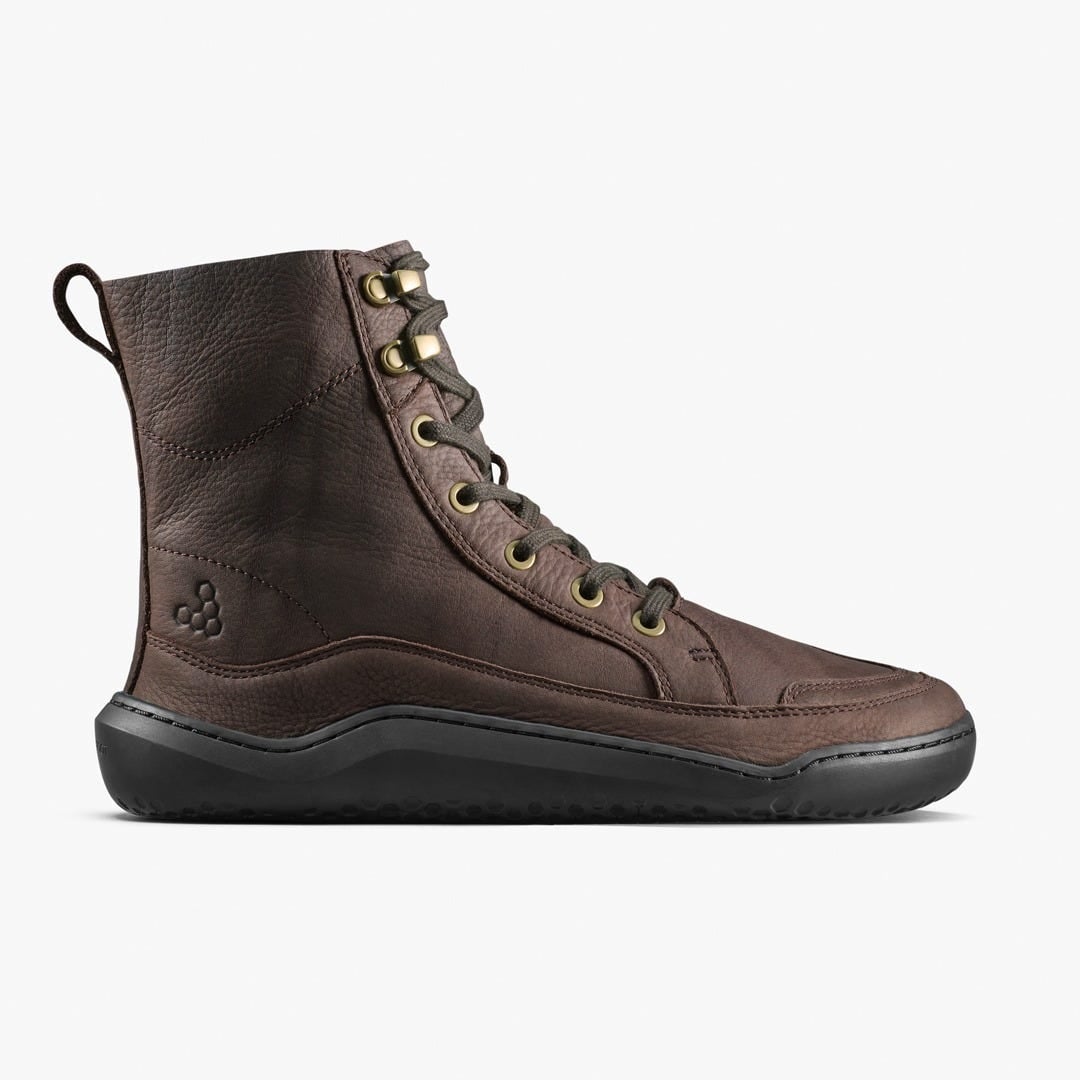
Not every barefoot shoe is built for mountains and trails. The Gobi Boot II, offered in both mens and womens versions, is described as a classic leather boot made for everyday and work use. It carries the same natural movement focus as the rest of the range, applied to a more conventional boot shape.
This distinction matters because it shows the category is not limited to outdoor gear. A leather boot aimed at daily wear and work settings still follows the wide, thin, and flexible approach. That consistency across use cases is part of how Vivobarefoot Ltd frames its range.
Building Strength and Connection: How Barefoot Shoes Promote Foot Development
A thinner sole lets more sensory information from the ground reach the foot, since less material sits between skin and surface. A wider toe box lets toes spread and splay rather than staying compressed into a tapered shape. Footwear researchers in the minimalist category generally link this combination of ground feel and unrestricted toe movement to the broader case for barefoot-style design, though outcomes vary by individual and by activity.
Across its materials, Vivobarefoot Ltd states that its shoes are designed to promote the foot’s natural strength and movement. This framing runs through the entire range, from the Gobi Boot II to the Tracker series. Some components of the range are described as 98% natural and 100% vegan.
The broader minimalist footwear category often pairs footwear choice with attention to movement habits more generally, since a shoe alone shapes only part of how a foot interacts with the ground. That link between what is worn and how the foot moves is part of what draws steady interest to shoes as a category.
- Barefoot shoes typically use a wide toe box that lets toes spread rather than narrowing toward the front.
- Soles are kept thin to preserve ground feel instead of using thick, layered cushioning.
- Flexibility runs through the sole and upper so the shoe bends with the foot rather than resisting it.
- Heel-to-toe drop is minimised or removed, unlike the raised heel common in conventional shoes.
- Materials range from leather boots for everyday and work settings to waterproof builds for outdoor and expedition use.
Barefoot shoes continue to sit at the edge of mainstream footwear while steadily gaining recognition as a distinct category. The range from Vivobarefoot Ltd, from the Gobi Boot II to the Tracker line, shows how a wide, thin, and flexible approach stretches across both everyday and outdoor settings.