


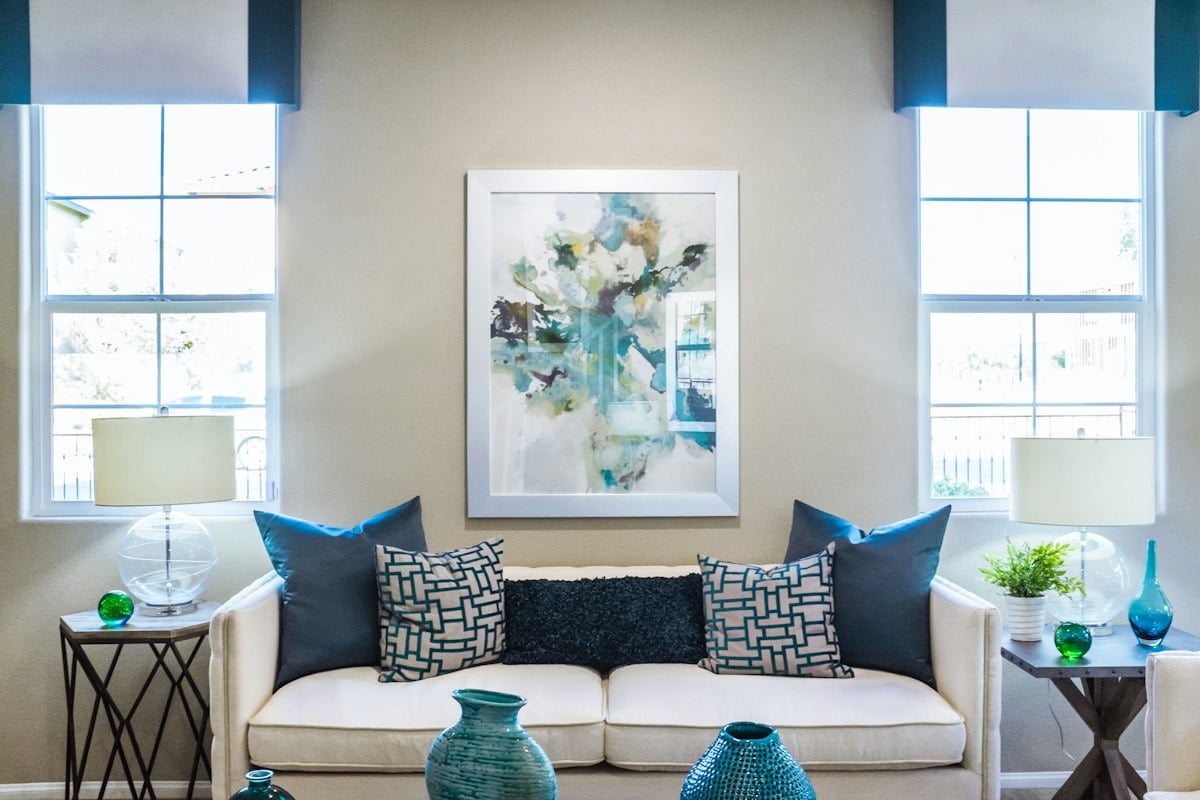
Selecting oil-finished timber that welcomes olive oil rings and convivial gatherings.
At Fresh Take Daily, we return often to a simple editorial conviction: the most lasting pleasures are rarely the loudest. The Communal Board sits squarely inside that conviction. Rather than chase novelty for its own sake, this piece asks what happens when we slow down long enough to notice grain, weight, atmosphere, and the small decisions that quietly reshape a week.
Why This Matters Now
Modern life compresses attention into thin slices. Algorithms reward speed; commerce rewards replacement. Against that pressure, long Oak Tables for Lingering Suppers becomes less a lifestyle accessory and more a form of resistance. It restores sanctuary without demanding perfection, and it rewards return visits—the second cup, the second season, the second year of living with something well made.
“Selecting oil-finished timber that welcomes olive oil rings and convivial gatherings.”
A Practical Framework
Begin with observation rather than acquisition. Spend a week noticing where friction gathers: the garment that never feels quite right, the morning that dissolves into notifications, the room that refuses to settle after dusk. Write three sentences each evening. Patterns appear quickly when they are named. From those notes, choose one change small enough to keep—an earlier kettle, a better fiber, a quieter tool, a clearer path through a neighborhood you thought you already knew.
Quality compounds. A well-considered material warmth choice rarely announces itself on day one; it reveals itself through repetition. The trench that shrugs off transitional weather. The notebook that invites a second thought. The courtyard that cools the apartment without a machine. These are not spectacles. They are infrastructures for a calmer day.
1. Edit Before You Add
Subtract first. Remove what fights your body, your calendar, or your values. Empty shelf space and open hanger space are not voids; they are invitations to choose with clearer eyes. Fresh Take Daily readers often discover that half the anxiety of modern domestic life is simply surplus competing for attention.
2. Prefer Materials That Age
Seek domestic calm that deepen rather than degrade: plant fibers, mineral finishes, honest metals, paper that takes ink without bleed, hardware with physical feedback. Patina is not damage; it is evidence of companionship. When an object can carry the mark of rain, oil, sun, or use, it stops being disposable inventory and starts becoming biography.
3. Protect the Ritual
Schedule the practice the way you would schedule a meeting you refuse to miss. Twenty minutes of texture focus—pouring, walking, reading, listening, arranging—will reshape more than an hour of fragmented multitasking. Guard the threshold: no phones at the kettle, no tabs beside the notebook, no notifications beside the bed.
Living With the Idea
Give the change a full season before judging it. Seasons teach patience better than product pages ever will. Notice how the communal board alters the tempo of mornings, the temperature of evenings, the confidence of walking out the door. Share what you learn with one trusted person; conversation turns private experiments into cultural habits.
If this dispatch resonates, treat it as a field note rather than a checklist. Return to it when the week accelerates. The point is not to perform grounding for an audience. The point is to inhabit your own days with more honesty, more texture, and less noise—one considered choice at a time.