


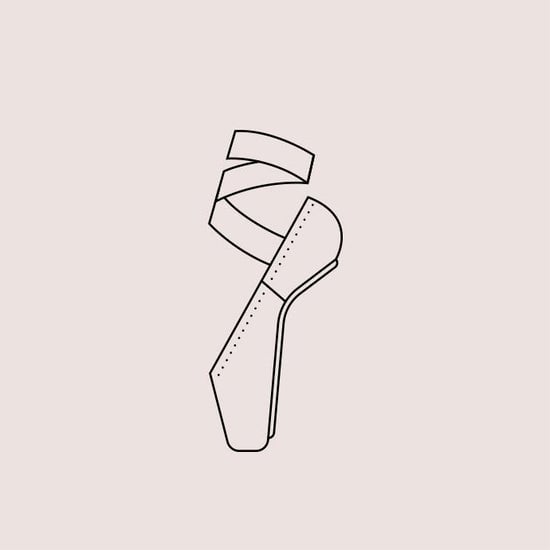
Pointe shoe misconceptions spread quickly in dance studios, repeated so often that they start to sound like settled fact. Some concern fit, others focus on durability, and a few relate to how a new shoe should feel on day one. Sorting real information from studio folklore matters, especially when looking at how Bloch Dance approaches construction and sizing.
The ‘One-Size-Fits-All’ Myth: Why Pointe Shoe Fit Cannot Be Standardized
One of the most persistent pointe shoe misconceptions is that a given size behaves the same way across every brand and every foot. In reality, foot shape, arch height, and toe length all change how a shoe sits. Bloch Dance lists pointe shoes as a dedicated shopping category, which signals that fit cannot be reduced to a single number on a label. A size that suits one dancer can feel entirely different on another, even within the same shoe line.
Treating every pair as interchangeable ignores the reality that pointe shoes are built around the structure of an individual foot. That distinction alone addresses a large share of the fit-related myths dancers pass along to one another. Recognizing it is often the first step toward choosing footwear with more care.
Handmade Pointe Shoes and Quality: What ‘Handmade’ Actually Means in Bloch’s Production
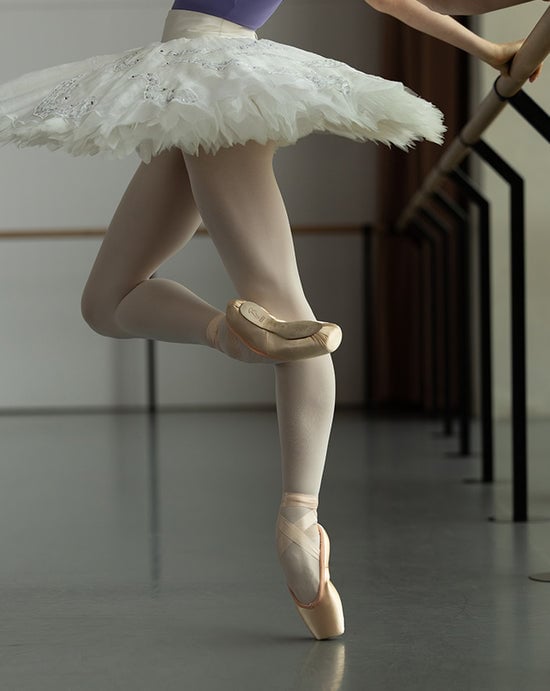
Another widespread belief treats handmade as a synonym for old-fashioned or inconsistent. Bloch Dance describes its pointe shoes as handmade with only the best materials, language used directly on its own product pages. That framing positions handmade construction as a quality marker rather than a limitation.
The same wording appears for the brand’s ballet shoes, described as handmade and continuous with a tradition of quality and innovation. This suggests handmade construction runs across multiple footwear categories rather than standing as an isolated claim about one product. For dancers weighing misconceptions, this is a reminder that handmade does not automatically mean inferior or inconsistent.
Breaking the Durability Misconception: How Materials Affect Pointe Shoe Lifespan
Durability claims are another area where assumptions often outrun the facts. Dancers sometimes assume that thicker materials or heavier construction automatically make a shoe last longer, yet that specific claim is not stated outright for any single product. What can be said is that the brand markets its pointe shoes as industry-leading, a description tied specifically to the ballet pointe shoe category on its site.
Beyond that framing, material-specific lifespan claims vary by shoe and cannot be assumed to carry across a full range. That is why generalizing about durability from one shoe or one season of wear tends to mislead rather than inform. Readers chasing answers on lifespan should treat broad durability claims with caution unless they are tied to a specific shoe.
The Myth of Instant Comfort: Why New Pointe Shoes Require Proper Break-In
New pointe shoes rarely feel finished the moment they arrive, yet the idea persists that a well-made shoe should feel perfect from the first wear. Bloch Dance frames its broader dance shoe heritage around a promise to make the most comfortable dance shoes in the world, language used specifically for its dance shoe category. That promise speaks to design intent rather than a claim of instant comfort straight out of the box.
This distinction matters because conflating design intent with immediate feel is one of the more common pointe shoe misconceptions dancers repeat to each other. A shoe engineered for eventual comfort makes a different claim than one promising comfort from the very first step. Keeping that difference in mind sets more realistic expectations around new footwear.
Bloch Pointe Shoes Across Different Dance Styles and Foot Types
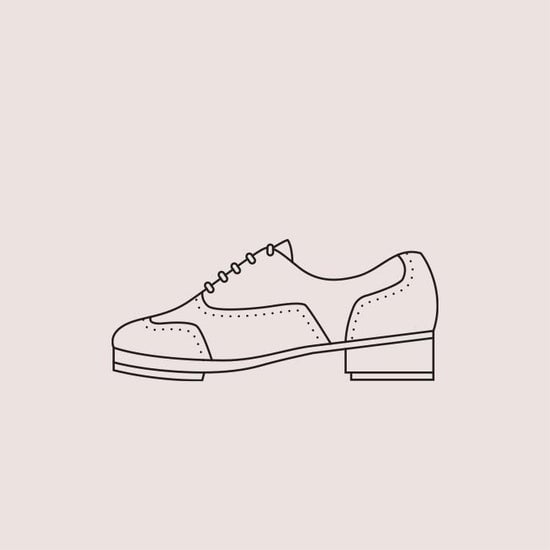
The footwear range from Bloch Dance extends well beyond pointe shoes into tap, contemporary, jazz, and sneaker categories, each described with its own functional focus. Tap shoes are developed for optimum fit, sound, comfort, and stability, according to the brand’s own category description. Contemporary footwear is described as barely there, built to let a dancer feel the floor, while jazz shoes are described as hugging the arch to match the fast pace of that style.
This spread across categories shows that each style’s footwear is treated as a separate design problem rather than one template applied everywhere. Sneakers, for example, are described as suitable for both studio and street use, a different purpose entirely from pointe or jazz shoes. Recognizing these distinctions helps dispel the idea that one construction approach could reasonably serve every dance style and foot type.
Caring for Pointe Shoes: Debunking Common Maintenance Mistakes
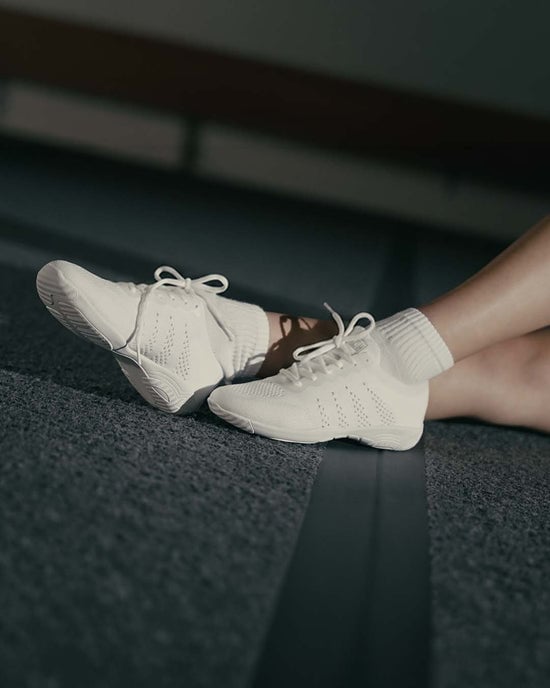
Maintenance habits are where many dancers unknowingly damage their own footwear, and pointe shoe misconceptions around care are common. Some dancers treat all dance footwear the same way when storing or cleaning it, despite the different materials used across tap, jazz, contemporary, and pointe lines. Because each category is built around a distinct functional goal, applying one care routine across all of them overlooks those differences.
Bloch Dance also sells grip socks designed for Pilates and barre, alongside activewear described as suited to that grounding style of movement. These items sit outside the pointe shoe range entirely and are built around different materials and uses. Mixing up care routines across such different products, from satin pointe shoes to knit grip socks, is a frequent source of confusion. Below are some of the widespread false beliefs that circulate around pointe shoe quality, durability, and suitability.
- Some dancers believe a shoe that feels stiff out of the box is poorly constructed rather than simply new.
- A common belief holds that one standard size fits the same way across every brand’s pointe shoe line.
- Some dancers think handmade construction implies inconsistency rather than careful craftsmanship.
- Others assume a shoe suited to contemporary or jazz styles would work equally well for pointe work.
- Some dancers believe a satin exterior automatically outperforms other materials in durability.
- A frequent misconception is that all dance footwear can be cleaned and stored using identical methods.
Working through these pointe shoe misconceptions one by one shows how much nuance sits behind fit, construction, and care.