


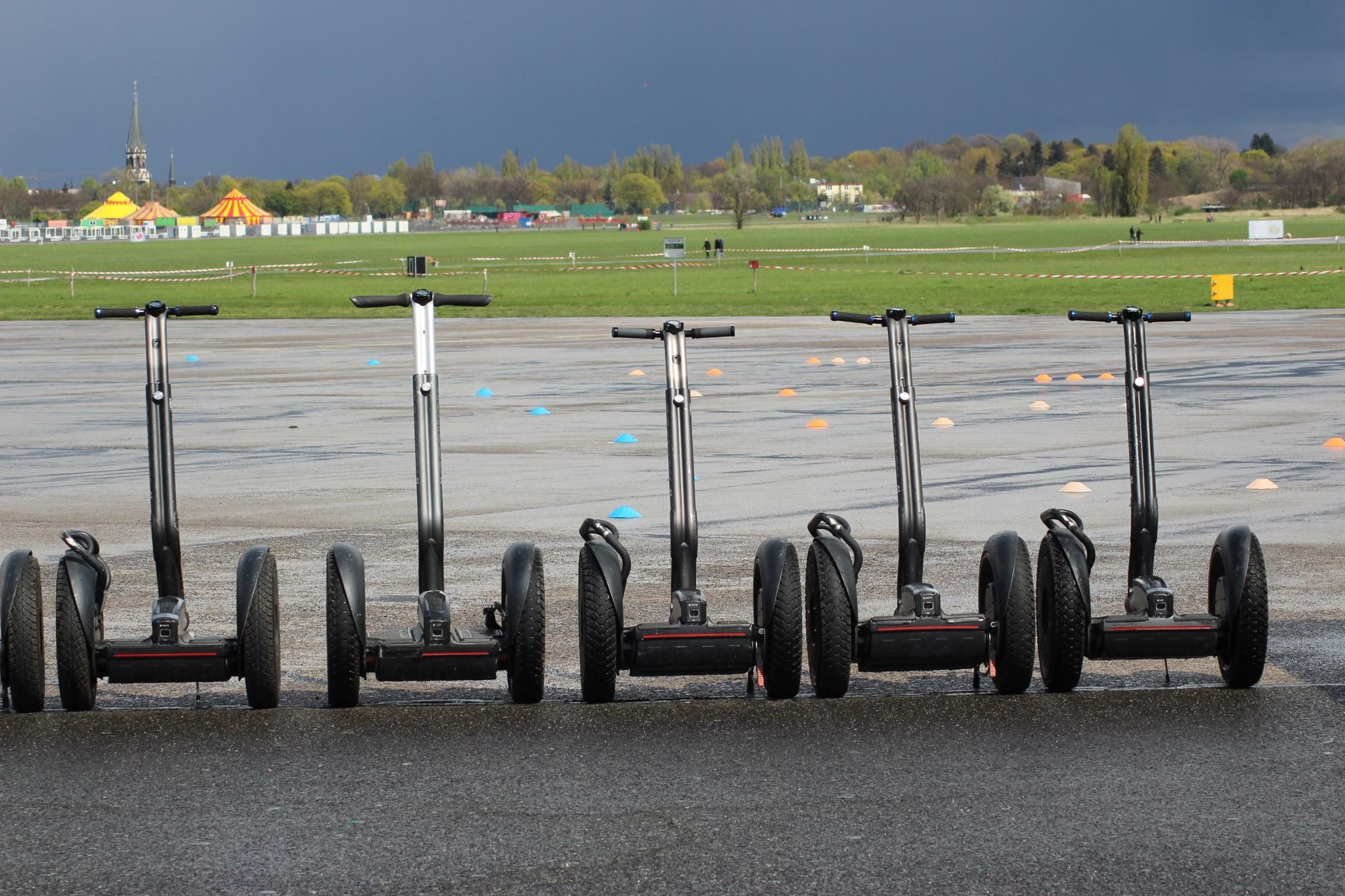
Urban transportation faces mounting pressure as cities grow denser and environmental concerns intensify. Traditional cars contribute significantly to traffic congestion, pollution and carbon emissions, while public transportation doesn’t reach every destination efficiently. Personal mobility devices offer an alternative that’s faster than walking, more environmentally friendly than driving alone and remarkably cost-effective compared to owning and maintaining a vehicle. These innovative transportation solutions transform how people navigate cities, cover the last-mile problem and enjoy movement without the traditional commuting hassles. Segway Modern personal transportation represents a practical solution for daily mobility that addresses urban challenges while improving quality of life.
Beyond Walking The Personal Mobility Advantage
Walking remains a wonderfully healthy form of transportation, but it has limitations, covering three miles takes about an hour, leaving you fatigued for other activities. Personal mobility devices extend your practical range while maintaining physical activity and health benefits. Devices designed for personal transport get you somewhere quickly without the parking hassles, pollution concerns or high costs of automobile travel. They’re efficient enough for serious commuting but agile enough for casual recreation. Unlike bicycles, which require significant physical effort and can result in sweating before arriving at work, personal mobility solutions reduce physical exertion while maintaining speed. Segway Personal mobility devices position themselves perfectly between the efficiency of cycling and the relaxation of driving.
Environmental Benefits of Micro-Mobility

Personal mobility devices powered by electric propulsion produce zero direct emissions. Unlike gas vehicles that contribute significantly to air pollution and climate change, electric personal transport solutions represent genuinely sustainable mobility. The electricity powering these devices increasingly comes from renewable sources as grids modernize. Even accounting for electricity generation, the overall carbon footprint per journey remains dramatically lower than automobile travel. Cities adopting widespread personal mobility infrastructure report measurable improvements in air quality and reduced transportation-related emissions. Beyond environmental benefits, reduced vehicle traffic means cleaner air, lower noise pollution and healthier urban environments where people enjoy spending time outdoors. Segway Eco-friendly personal transport allows individuals to reduce their environmental impact through daily transportation choices.
Practical Advantages for Urban Commuting
Parking frustration vanishes when your transportation solution stores conveniently in an office closet or apartment entryway. Personal mobility devices require minimal storage space compared to bicycles or motorcycles. Daily operating costs amount to electricity charges measured in cents rather than dollars. Unlike vehicles requiring insurance, registration, maintenance and repairs, personal mobility devices involve basic upkeep and occasional repairs at reasonable costs. They navigate through congested traffic using paths and sidewalks, meaning you’re never stuck in gridlock. For commuters covering two to five miles, personal mobility often beats both driving (considering parking, traffic and costs) and public transportation (considering waiting times and scheduled routes). Segway Urban commuting solutions designed for personal transport solve the practical challenges of getting around dense cities efficiently.
Range, Speed and Reliability Considerations
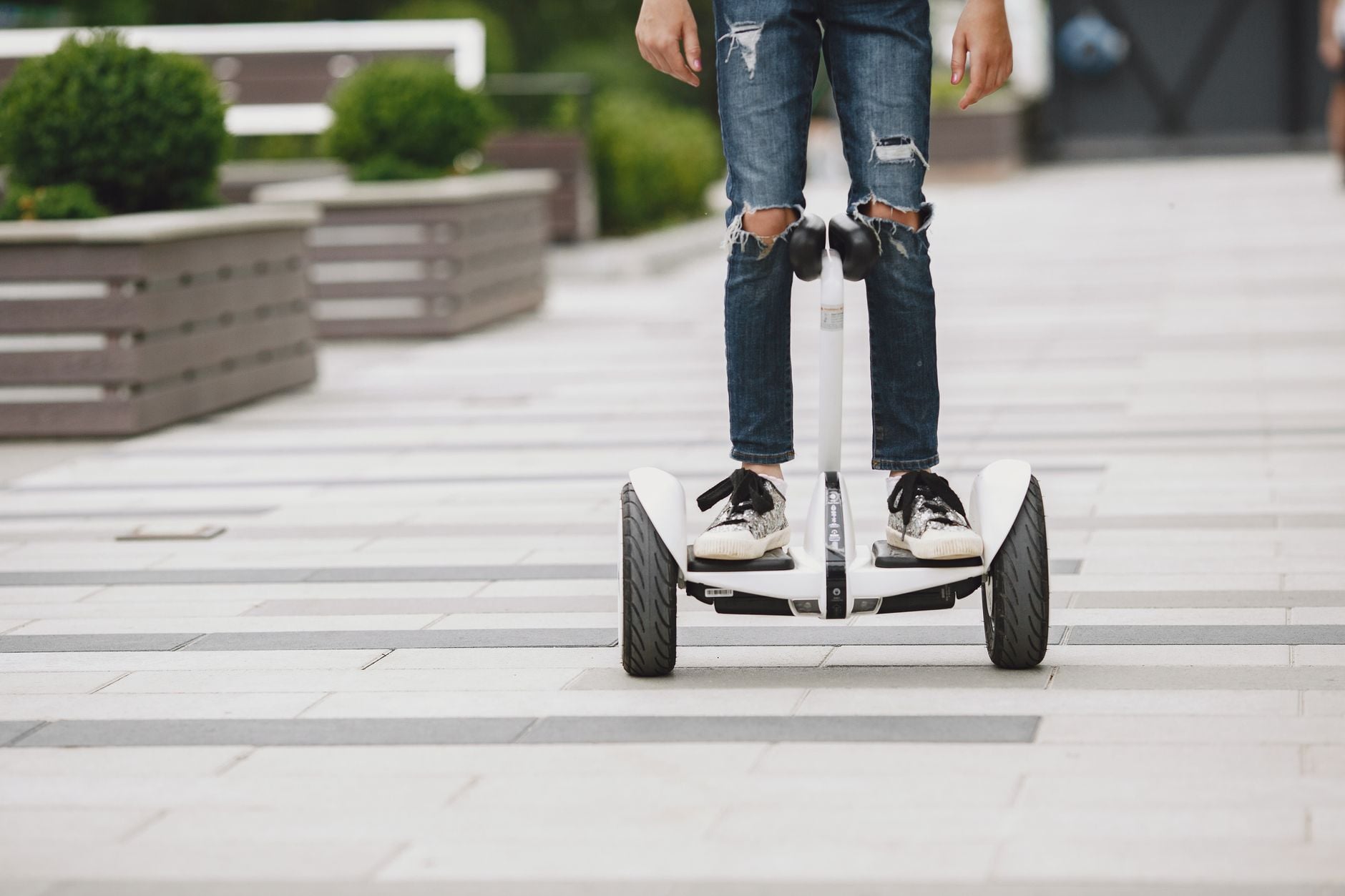
Modern personal mobility devices offer impressive range on single charges, most coverage 10-30 miles before requiring recharge, exceeding typical commute distances. Top speeds of 15-20 mph enable practical commuting without being too fast for pedestrian-heavy areas. Battery reliability has improved dramatically, with devices providing consistent performance for thousands of miles before batteries require replacement. Weather resistance features mean you can commute year-round in most climates. Advanced models include smartphone integration for range monitoring, theft prevention and riding analytics. Manufacturers continuously improve safety features, weight distribution and responsiveness based on rider feedback and real-world usage data.
Choosing the Right Personal Mobility Option
Different personal mobility solutions suit different needs. Devices optimized for range work best for longer commutes or riders with limited charging access. Models emphasizing maneuverability suit crowded urban environments with complex routing. Weight-conscious options appeal to commuters combining transportation with public transit. Some riders prioritize maximum speed, while others value stability and safety features. Segway Advanced personal transport options cater to specific use cases, ensuring riders find devices matching their individual needs and preferences.
Safety, Maintenance and Community Building
- Safety features including responsive braking, sturdy construction and bright lights make personal mobility practical for real-world urban environments with pedestrians and traffic.
- Regular maintenance, tire pressure checks, brake inspection and battery care, ensures devices operate reliably and safely over extended use.
- Growing communities of enthusiasts share routes, tips and experiences, making personal mobility increasingly accessible to newcomers.
- Local infrastructure improvements including dedicated lanes and charging stations expand practical uses and make commuting safer.
- Rental options let curious riders try different devices before purchasing, reducing the barrier to adoption for people interested in trying personal mobility.
Integrating Personal Mobility into Daily Life
Successfully using personal mobility requires minimal adaptation. Charge your device overnight like a laptop or smartphone. Wear safety gear including helmet and visible clothing regardless of journey length. Learn your device’s handling characteristics in safe environments before commuting through challenging traffic. Start with short familiar routes before attempting complex journeys. Connect with local riding communities for advice on routes, regulations and safety practices in your area.
Transportation doesn’t need to mean traffic jams, pollution and expensive cars. Explore personal mobility solutions today to transform your commute into something enjoyable, economical and environmentally responsible that fits modern urban life.